You Should Make a Pavlova
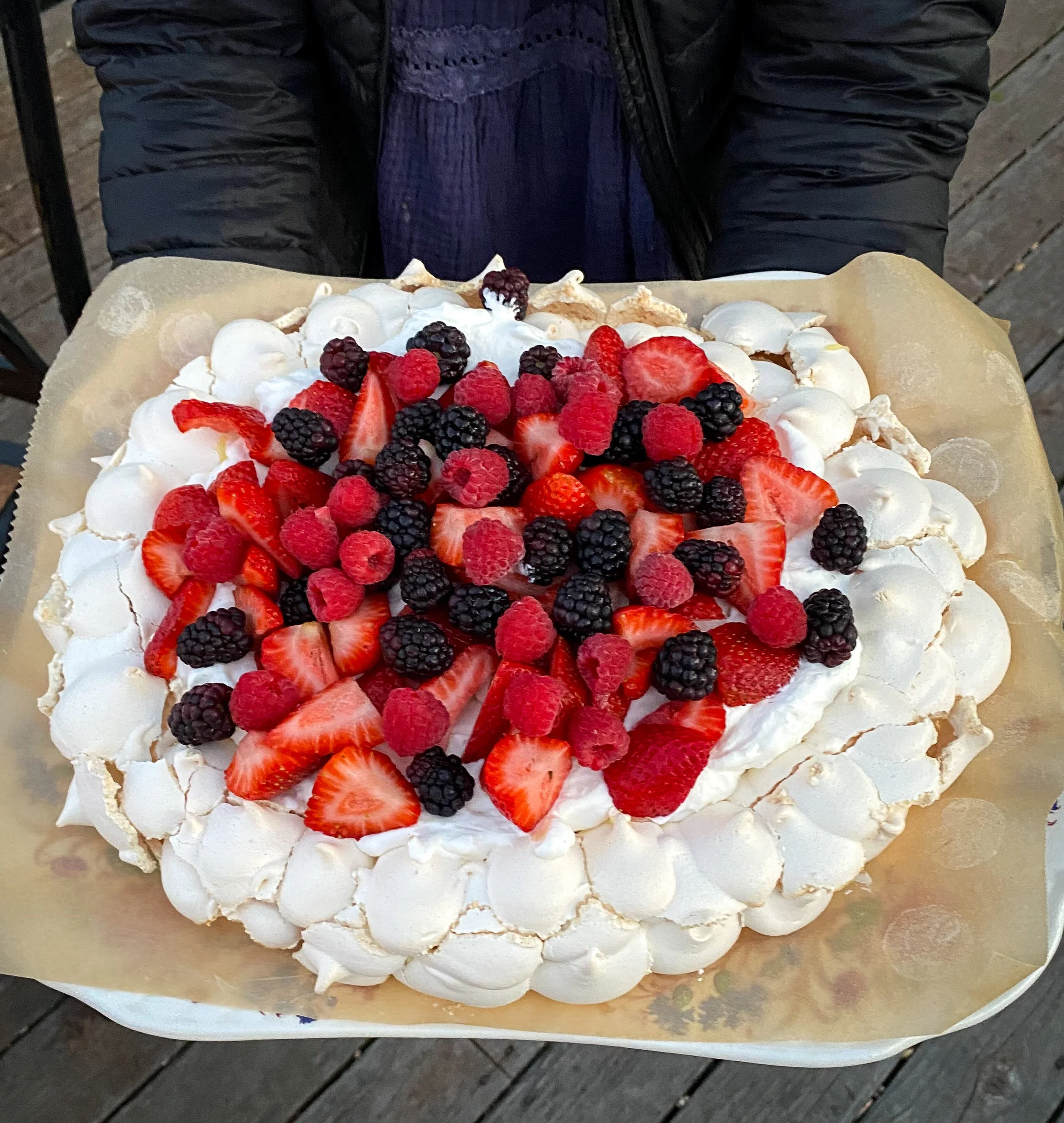
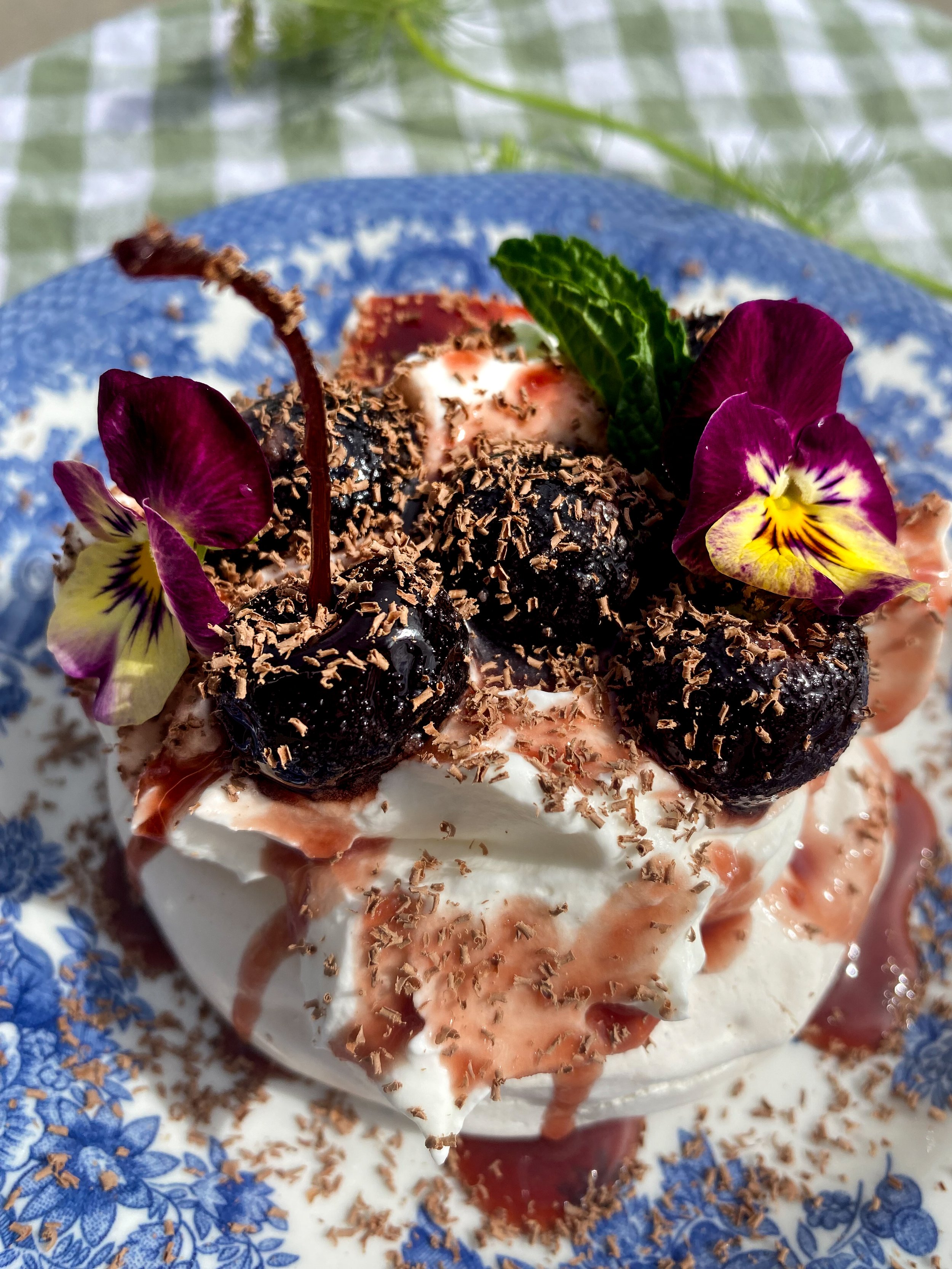
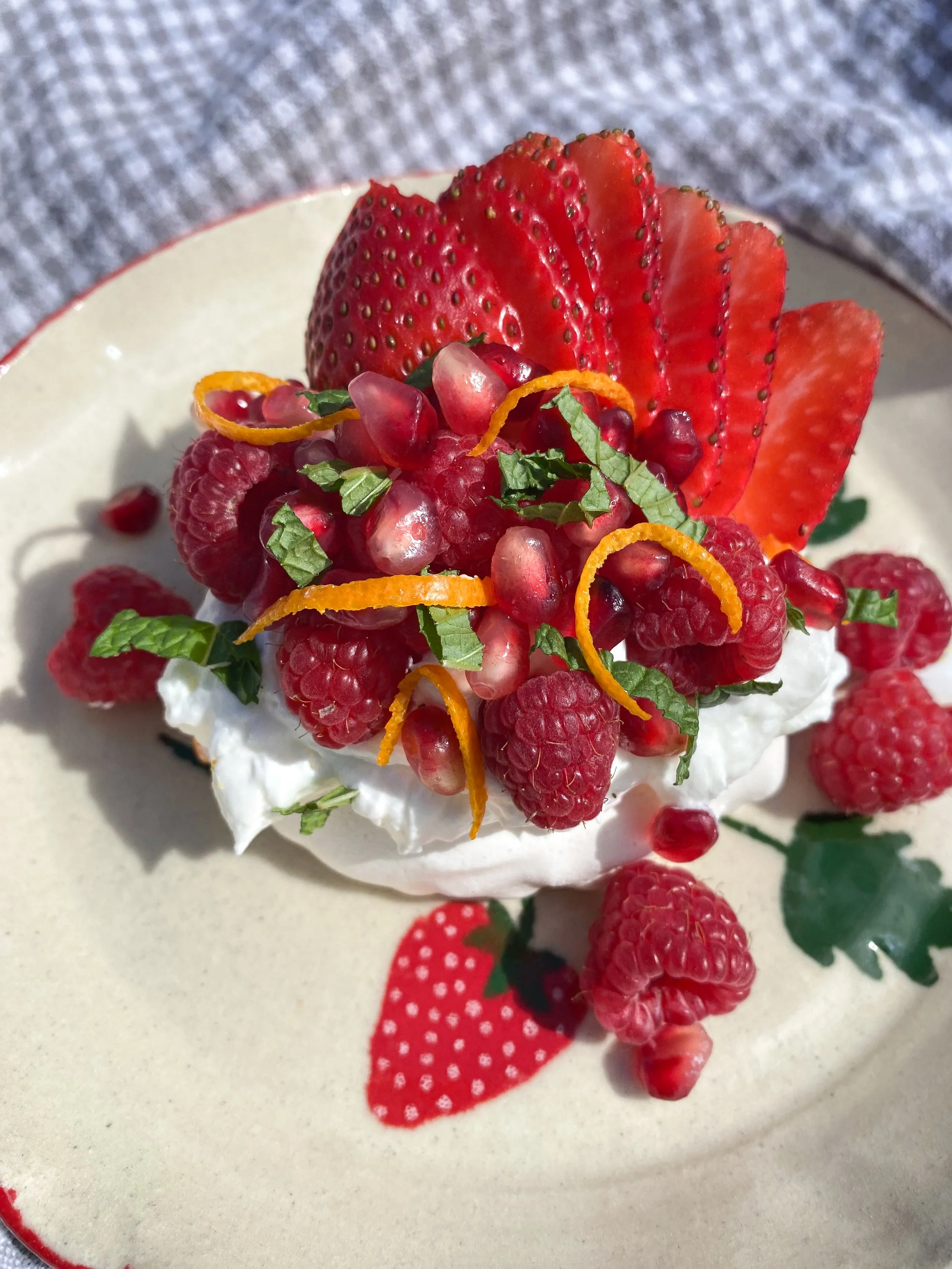
When my son graduated from high school last summer, I threw him a dinner party on our deck to celebrate this milestone. He loves fresh fruit and whipped cream, but that didn’t feel quite celebratory enough, so I decided to make him a giant pavlova, not only to honor all his hard work, but also because it’s always a showstopper.
It turned out to be the hit of the party.
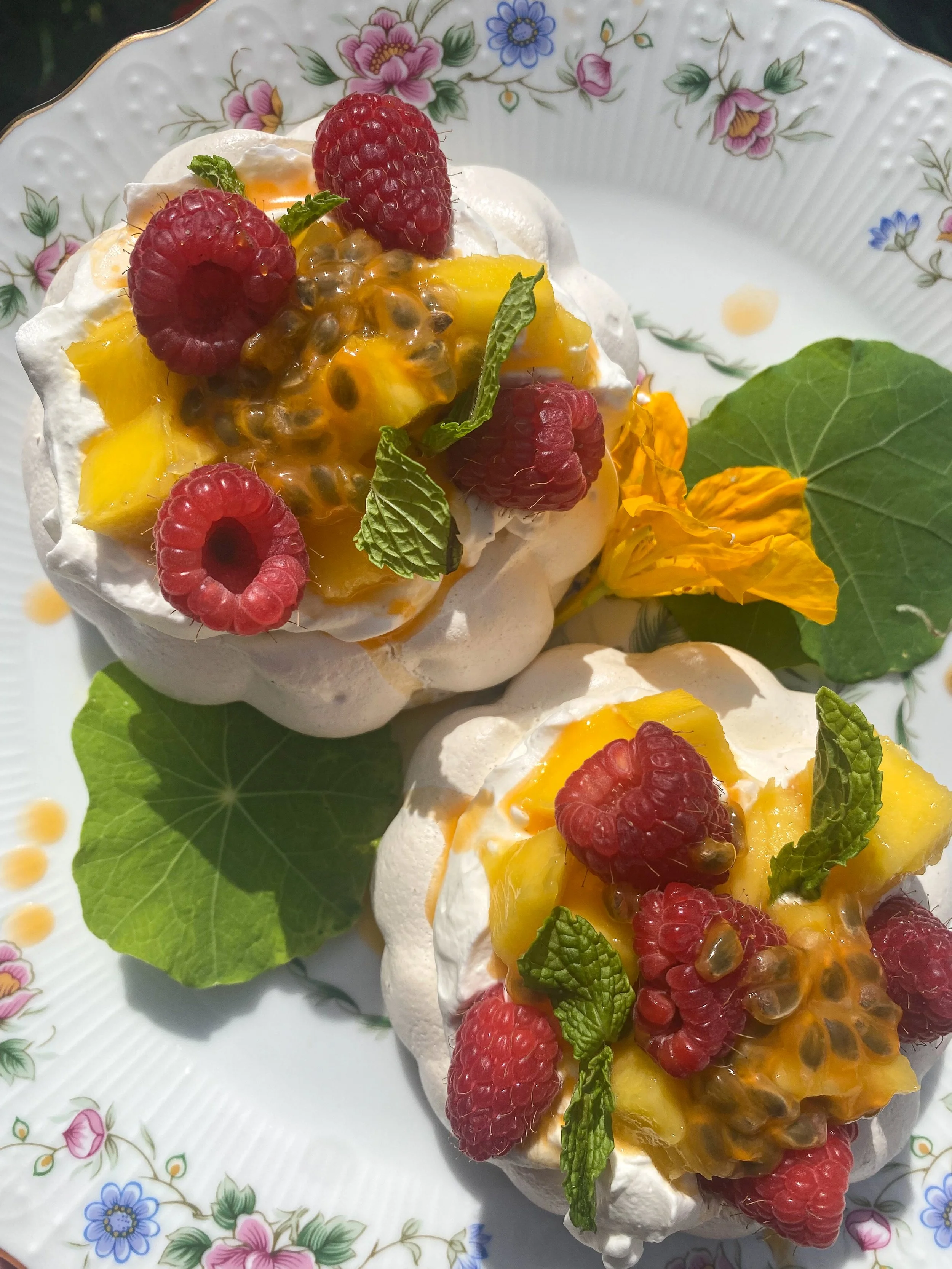
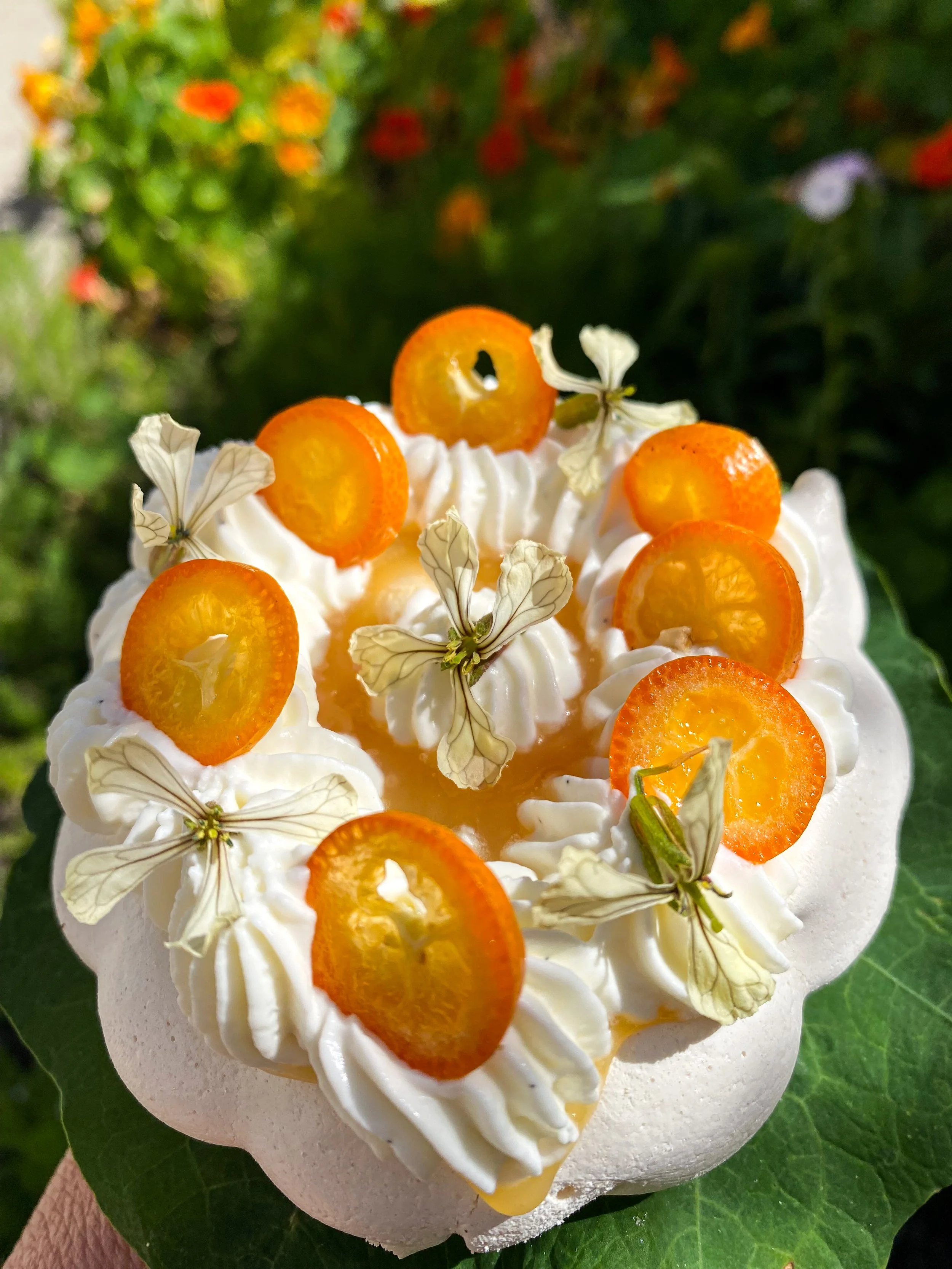
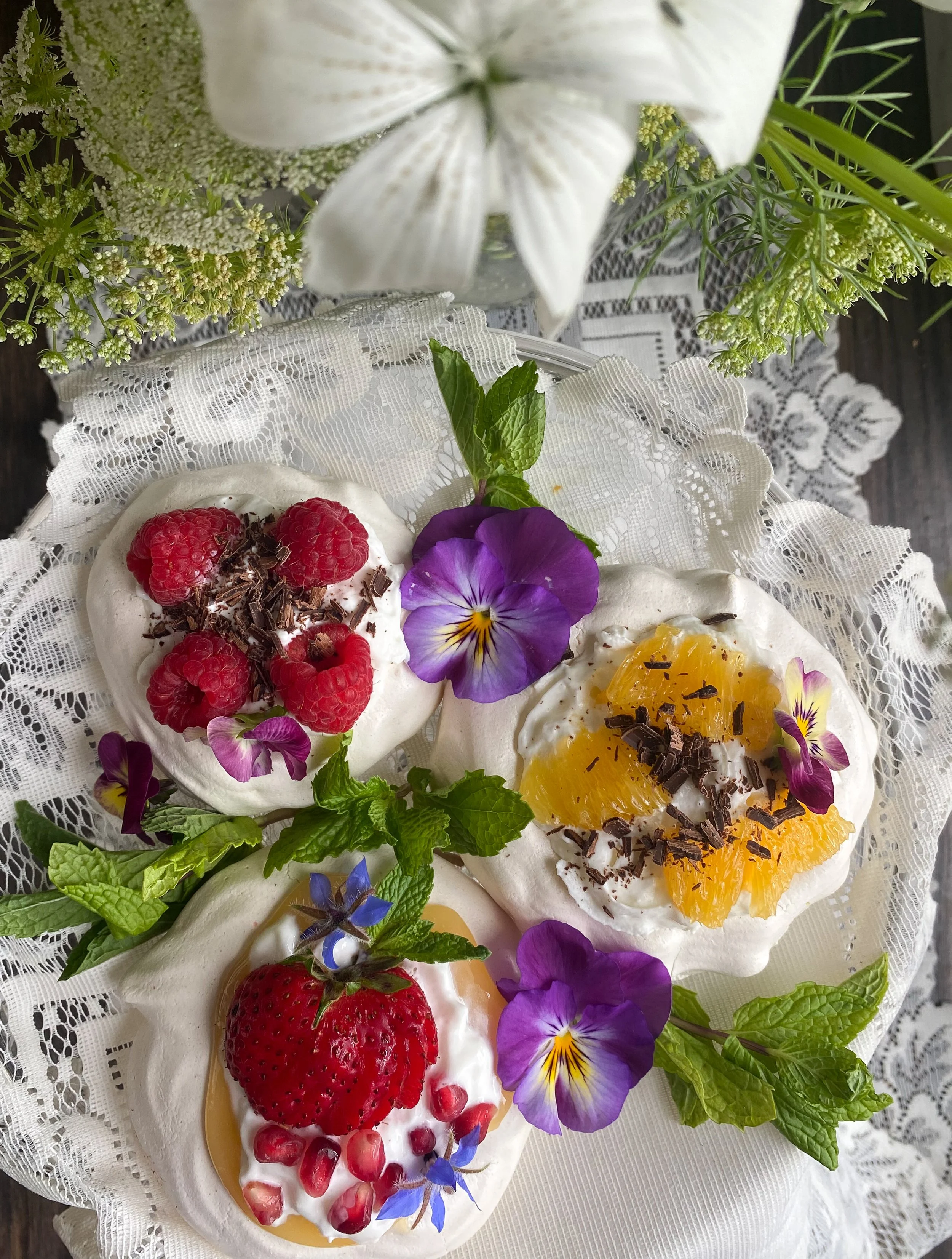
Since then, I’ve been a little obsessed with pavlovas. My kids and I have been experimenting with different flavor combinations, fruits, and edible flowers, creating little, beautiful pieces of edible artwork that somehow feel both elegant and effortless at the same time.
If you’ve never made one before, don’t be intimidated. With a few simple tips, pavlova is surprisingly forgiving and always impressive.
My Tips for a Perfect Pavlova
Make sure your eggs are at room temperature. This helps the egg whites whip to a higher volume.
When separating your eggs, be sure no yolk gets into the whites, or they won’t whip properly.
Start your mixer on low speed and gradually increase to high speed for the best structure.
Only add the sugar once soft peaks have formed; adding it too soon can cause the meringue to collapse.
Superfine sugar works best since it dissolves more easily into the egg whites.
Add the sugar slowly, one tablespoon at a time, to prevent graininess and “weeping.”
Avoid making pavlova on humid days; moisture in the air can make it sticky.
A little vinegar helps stabilize the egg whites and gives that perfect marshmallowy center.
Simple Pavlova Meringue
Ingredients
1 1/2 cups granulated sugar
2 teaspoons cornstarch
1/4 teaspoon kosher salt
6 large egg whites, at room temperature
1 teaspoon distilled white vinegar
1 teaspoon vanilla extract
Instructions
Preheat your oven to 250°F. Line a baking sheet with parchment paper. For an easy guide, trace a 9-inch circle onto the parchment. This helps shape your pavlova evenly.
In a small bowl, whisk together the sugar, cornstarch, and salt; set aside.
In a stand mixer fitted with the whisk attachment, beat the egg whites and vinegar until soft peaks form. This step is key; adding the sugar too early can cause the meringue to fall.
With the mixer on low, slowly add the sugar mixture one tablespoon at a time. Once fully incorporated, increase the speed to high and whisk until stiff, glossy peaks form.
Add the vanilla and mix for another 2 - 3 minutes. You’ll know it’s ready when the meringue holds its shape and doesn’t slide around the bowl.
Spoon the meringue onto your prepared baking sheet and shape it into a 9-inch circle. Use a spatula to gently build up the edges, creating a slight wall and a soft well in the center for your toppings.
Bake for 70 - 75 minutes, or until dry to the touch.
Turn off the oven and let the pavlova cool completely inside (cracks are perfectly normal), about 3 hours.
Once cooled, top with freshly whipped cream, fruit, edible flowers, and mint. Serve immediately.
For Individual Pavlovas
Reduce the baking time to 35- 40 minutes, or until dry to the touch.
Make-Ahead Tip
Pavlovas can be made a day in advance. Store them in an airtight container to keep moisture out; any exposure to air can make them soften and lose their structure.